
Toll FREE: 1.877.965.2140
International: 1.805.322.0005

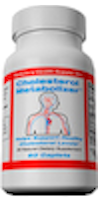
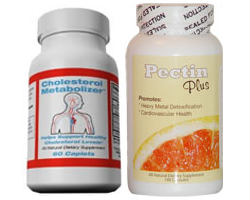
Cholesterol Metabolizer®
As low as $19.95 per bottle
Beta Sitosterol
Beta-Sitosterol is a natural plant oil extracted from soybeans, sugar cane and rice. When taken as a dietary supplement, it helps support healthy cholesterol
If there was only one supplement you could take to support healthy cholesterol it would probably be beta-sitosterol. It is, after all, THE most studied healthy cholesterol supporting supplement on the face of the planet. Published medical journal studies actually go back 50 years, yet most people have never even heard of it.
Beta-sitosterol is a phytosterol or plant alcohol that is literally in every vegetable we eat. We already eat this every day but we just don't get enough of it. The typical American is estimated to eat only 200-400 mg a day while vegetarians probably eat about twice this much. Actually the term "beta-sitosterol" in commerce refers to the natural combination of beta-sitosterol, stigmasterol, campesterol and brassicasterol as this is how they are made by nature in plants. There are no magic foods with high levels of phytosterols, but they can be inexpensively extracted from sugar cane pulp, soybeans and pine oil.
Upjohn Pharmaceuticals tried to make a prescription analog (chemical relative) of it decades ago for lowering cholesterol but did not succeed - the natural molecule works best. The scientific community has been well aware of it and clinics around the world have done extensive studies on both humans and animals including gall bladder, bile and liver functions since these are all part of the cholesterol metabolism. The major mechanism this seems to be effective is simply by preventing the dietary cholesterol from being absorbed in the intestines where fat is digested. Another way this seems to work is by increasing the flow of bile acids, which binds the cholesterol in the digestive track and excretes it in the feces.
The research is so extensive and wide ranging over the last 30 years that it is hard to find and count all the studies. How something so studied, and well known to the scientific and medical community has stayed outside of public knowledge is hard to believe.

Cholesterol Metabolizer®
- Promotes Healthy Cholesterol
- Promotes Healthy Immune Response
Contains:
60 capsules per bottle
- Beta Sitosterol
- Beta Glucan
- Cromax®
- Soy Isoflavones
Suggested use:
1 capsule twice per day
- 1 bottle
- $24.95
- 2 bottles $23.95 each
- $47.90
- 3 bottles $22.95 each
- $68.85
- 6 bottles $21.95 each
- $131.70
- 12 bottles $19.95 each
- $239.40
Cholesterol Metabolizer® Supplement Facts
|
Serving Size: 1 Capsule
Capsules per container: 60 Servings per container: 60 |
||
| Amount per Serving | % Daily Value | |
|---|---|---|
| Beta Sitosterol Complex | 300 mg | * |
|
Beta 1,3 Glucan (as Polysaccharide from Avena sativa) |
120 mg | * |
|
Soy Isoflavones (Standardized to contain 40% Isoflavones) |
50 mg | * |
|
Chromium Picolinate (as Chromax®) |
100 mcg | 83% |
*Daily value not established.
Other ingredients: Rice Flour, Vegetarian Capsule, L-Leucine, Syloid® and Water
Directions:
Take one capsule in the morning and one in the evening (preferably with a meal).
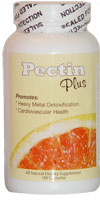
Pectin Plus®
Pectin Plus® is the perfect companion product to Cholesterol Metabolizer®
- Supports Healthy Detoxification
- Supports Healthy Cholesterol
- Supports Cardiovascular Health
- Promotes Healthy Blood Pressure
- Promotes Healthy Cell Growth
- Promotes Healthy Immune Response
Contains:
180 capsules per bottle (30 day supply)
- Citrus Pectin
- Garlic Extract (odorless)
- Cilantro Extract
Suggested use:
3 capsules twice per day
- 1 bottle
- $29.95
- 2 bottles $28.95 each
- $57.90
- 3 bottles $27.95 each
- $83.85
- 6 bottles $26.95 each
- $161.70
- 12 bottles $24.95 each
- $299.40
Pectin Plus® Supplement Facts
|
Serving Size: 3 Capsules
Capsules per container: 180 Servings per container: 60 |
||
| Amount per Serving | % Daily Value | |
|---|---|---|
Citrus Pectin
|
1,500 mg | * |
Garlic Extract (oderless)
|
300 mg | * |
Cilantro Extract (20:1)
|
75 mg | * |
*Daily value not established.
Other ingredients: 100% Vegetable capsule, L-Leucine, Syloid®, Rice Flour and Water
Directions:
Take three capsule in the morning and three in the evening.
Other Products available from: NHS Global Distributors LLC
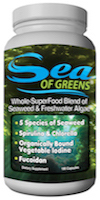
Sea of Greens®
A Whole-Superfood supplement, combining an optimal blend of sea vegetables and Freshwater algae.
read more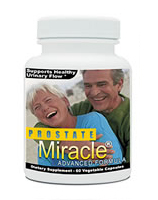
Prostate Miracle®
Trusted by thousands to support healthy urinary flow and prostate health.
read more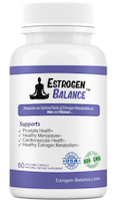
Estrogen Balance®
A natural formula for Men & Women, combining: D.I.M., Quercetin and Flaxseed.
read more
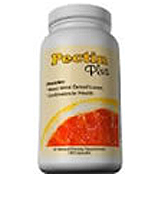
Pectin Plus®
Supports healthy detoxification, healthy blood pressure, healthy cholesterol levels and prostate health
read more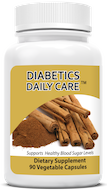
Diabetics Daily Care™
A Unique, 100% Natural Formula, which supports healthy blood sugar. Diabetics Daily Care™ is the most powerful formula of its kind.
read more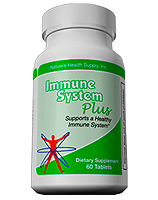
Immune System Plus™
An immune system support formula based on Beta Glutan, which is unsurpassed in it's ability to help support a healthy immune response.
read moreContact
255 Rivertown Shops Dr.
Suite 102, PMB 128
Saint Johns, FL 32259
International: 1.805.322.0005
Thank you for visiting Cholesterol-Metabolizer.com
This information here within is designed to provide accurate information in regard to the subject matter covered. It is provided with the understanding that NHS Global Distributors LLC is not engaged in rendering medical advice. If expert assistance is required, the services of a competent medical professional should be sought. These statements have not been evaluated by the Food and Drug Administration. These products are not intended to diagnose, treat, cure or prevent any disease. Always read and follow manufacturer's directions that come with this product.
You are protected by the FDA Dietary Supplement and Nonprescription Drug Consumer Protection Act
please call 877.965.2140 or Click here to report any Adverse Reaction with Cholesterol Metabolizer®